

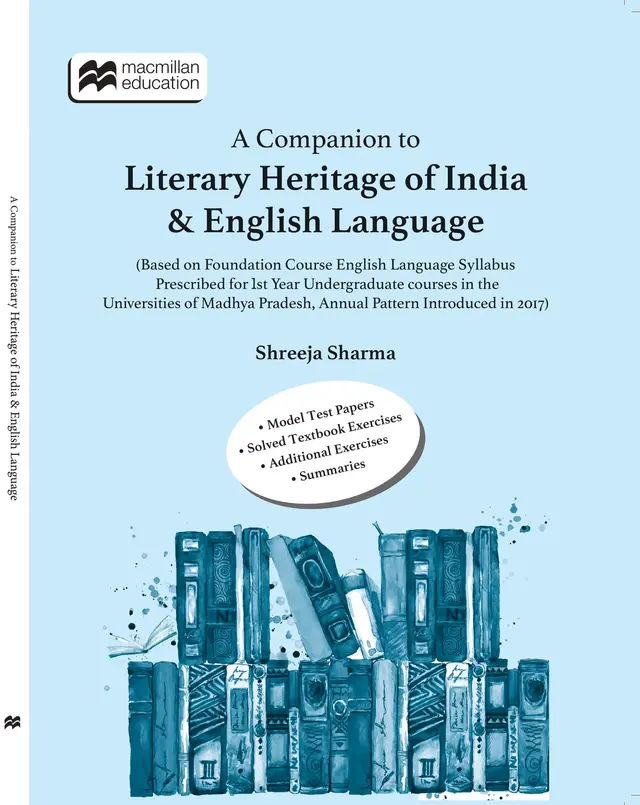
Literary Heritage of India & English Language explores India’s literary tapestry, as vast and colorful as its cultural landscape. From Vedic hymns chanted thousands of years ago to contemporary English novels, the country’s literary heritage reflects centuries of thought, philosophy, and creativity. At the same time, the English language has carved its unique niche in India, influencing literature, education, and communication. Let’s embark on a journey through time, exploring the crossroads of India’s literary richness and the rise of English language expression.
The Roots of India’s Literary Heritage
India’s literary tradition is one of the oldest in the world. It stretches back to ancient texts that shaped philosophy, culture, and social norms.
- Ancient and Classical Texts
The Vedas, composed around 1500 BCE, are among the earliest examples of Indian literature. These hymns, prayers, and philosophical musings were preserved orally for centuries before being written down. Following the Vedas, epics like the Mahabharata and Ramayana brought moral dilemmas, heroism, and human emotions to the forefront, making them timeless guides for generations.
- Regional Literature Flourishes
India’s linguistic diversity has also produced rich regional literatures. Works in Sanskrit, Tamil, Kannada, Bengali, and Marathi offer unique insights into the societies and eras they represent. For instance, the Tamil Sangam poetry, dating back over 2,000 years, captures human experiences with a lyrical grace that still resonates today.
The Arrival and Evolution of English in India
English came to India through colonial influence, but it didn’t just remain a foreign language—it evolved into a medium for Indian expression.
- Early Writers and Pioneers
In the 19th and early 20th centuries, writers like R.K. Narayan, Mulk Raj Anand, and Salman Rushdie began exploring Indian themes through English. This created a unique bridge, allowing Indian stories to reach a global audience while retaining their local flavor.
- English as a Literary and Educational Medium
English today plays a pivotal role in education, business, and literature. It’s often the language through which India interacts with the world, and many contemporary novels, essays, and poetry pieces are penned in English, blending local sensibilities with global narratives.
How India’s Literary Heritage Shapes Modern English Literature
India’s literary past and English converge in fascinating ways.
- Themes Rooted in Culture
Indian English literature often carries themes derived from local culture, mythology, and social issues. For example, novels like “The God of Small Things” by Arundhati Roy or works by Jhumpa Lahiri reflect Indian experiences but in a language accessible globally.
- Storytelling Techniques
Traditional Indian storytelling techniques—like oral narratives, folktales, and poetic forms—have influenced English writing styles in India. The rhythm, imagery, and depth of Indian storytelling enrich English-language literature, making it distinctive and engaging.
The Benefits of Studying India’s Literary Heritage Through English
Exploring India’s literary heritage via English offers several advantages:
- Global Accessibility: English translations allow international readers to access ancient and regional texts.
- Cultural Awareness: It helps learners understand India’s diverse philosophical, social, and historical contexts.
- Enhanced Critical Thinking: Comparing classical literature with modern English works encourages analytical and interpretive skills.
- Creative Inspiration: Writers, students, and educators can draw inspiration from centuries-old narratives for contemporary storytelling.
Practical Insights for Learners and Enthusiasts
Whether you’re a student, a literature enthusiast, or a writer, immersing yourself in India’s literary heritage through English has tangible benefits.
- Start with Translations: Begin with English translations of classical texts like the Bhagavad Gita, Tirukkural, or Rabindranath Tagore’s works.
- Read Contemporary Indian English Literature: Explore authors like Kiran Desai, Amitav Ghosh, and Arundhati Roy to understand modern interpretations of Indian society.
- Join Literary Forums: Platforms like Netbookflix host online resources for exploring books and learning literature interactively.
- Engage in Comparative Study: Contrast classical texts with English renditions to understand shifts in language, tone, and cultural interpretation.
- Write Your Reflections: Journaling or blogging about your readings can improve language skills and critical appreciation of Indian literature.
The Role of English in Preserving Regional Narratives
While English has opened doors for global readership, it also plays a vital role in preserving regional stories. Translating works from Hindi, Bengali, Tamil, or Kannada into English ensures these stories survive and thrive beyond linguistic barriers. It acts as a bridge between generations and cultures, maintaining India’s literary heritage while reaching new audiences worldwide.
FAQs on India’s Literary Heritage and English Language
- Why is India’s literary heritage important today?
India’s literary heritage connects us with history, philosophy, and culture, offering lessons and insights still relevant in contemporary society. - How did English become prominent in Indian literature?
English gained prominence during British colonial rule and evolved as a medium for Indian writers to express local experiences for global audiences. - Which Indian authors write primarily in English?
Famous Indian English writers include R.K. Narayan, Arundhati Roy, Amitav Ghosh, Salman Rushdie, and Jhumpa Lahiri. - Can studying Indian literature improve English skills?
Yes, reading translated works and Indian English literature enhances vocabulary, comprehension, and cultural understanding. - How does Indian mythology influence English literature?
Mythological themes inspire plotlines, character archetypes, and moral lessons in contemporary English-language narratives. - What role does translation play in literary preservation?
Translation allows regional literature to reach wider audiences, preserving stories and ideas that might otherwise be confined to specific languages. - Are there platforms to study Indian literature online?
Yes, platforms like Netbookflix offer access to online books, summaries, and interactive learning resources for Indian literature enthusiasts. - How do classical Indian texts compare to modern English works?
Classical texts often emphasize philosophical depth and moral lessons, while modern English works blend these themes with contemporary storytelling techniques. - Why is India’s literary diversity significant?
With over 22 official languages and hundreds of dialects, India’s literary diversity reflects varied cultural, historical, and social perspectives. - How can writers draw inspiration from India’s literary heritage?
Writers can blend classical storytelling techniques, cultural themes, and philosophical depth into modern narratives, enriching their work in English.
Conclusion: Bridging the Past and the Present
India’s literary heritage is a living treasure that continues to inspire writers, scholars, and readers. Through English, these timeless stories find a global voice, ensuring that the rich tapestry of Indian literature reaches far beyond geographical and linguistic boundaries. Whether exploring epics, regional poetry, or modern novels, the journey through India’s literary landscape is both enlightening and deeply enriching. Platforms like Netbookflix make this journey easier, offering tools to access, learn, and enjoy literature in diverse ways.
By embracing both heritage and language, we don’t just preserve the past—we allow it to evolve, converse, and inspire future generations. India’s literary legacy, paired with English expression, proves that storytelling is truly timeless.





Leave a Reply