

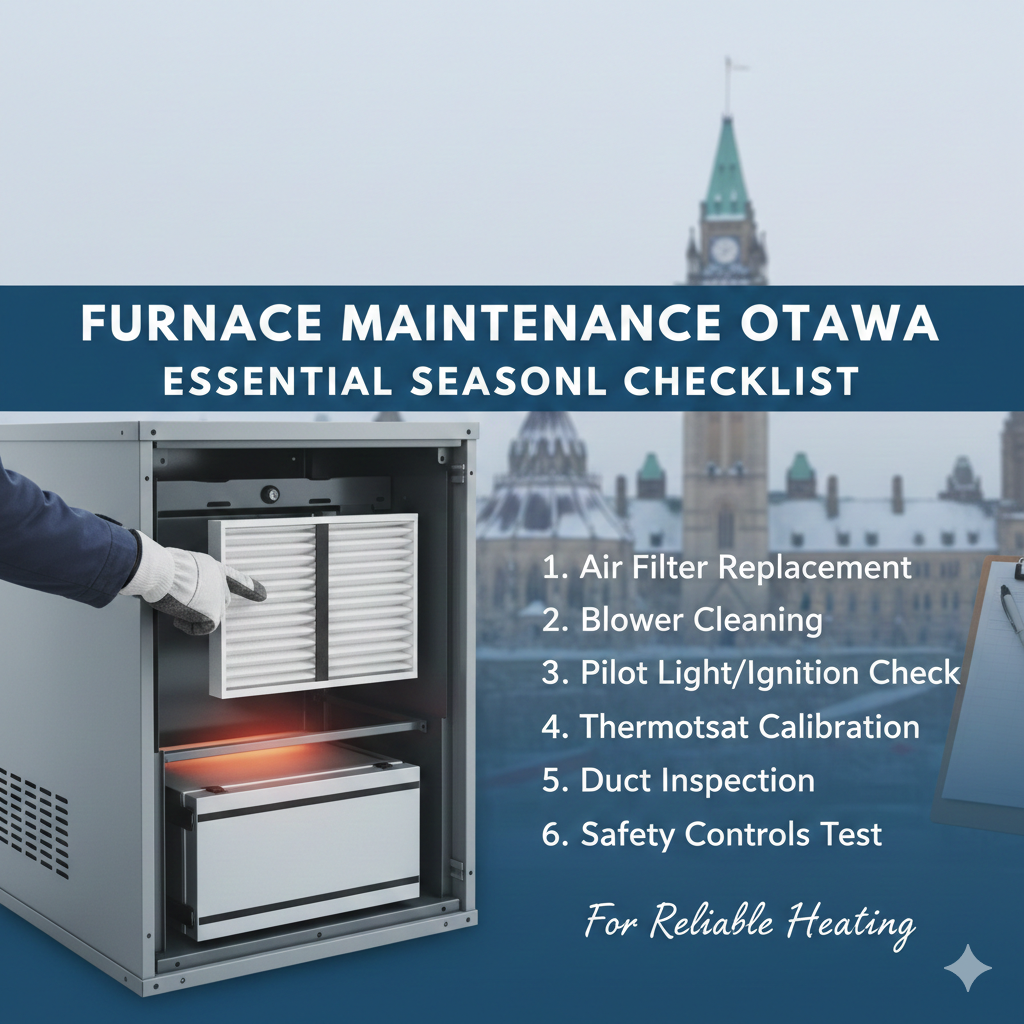
Keeping your furnace running reliably saves you money, prevents cold-night emergencies, and extends the life of your system. Schedule simple, regular furnace maintenance—like filter changes, visual inspections, and a professional tune-up once a year—to improve efficiency and reduce the chance of unexpected breakdowns.
You’ll learn practical, easy-to-follow tasks you can do yourself and the key checks a technician should perform during a tune-up. That combination helps you prevent common furnace issues and keeps your home comfortable through the coldest months.
Essential Furnace Maintenance Practices
You will inspect key components, keep air clean, verify temperature control, and lubricate moving parts to prevent wear and maintain efficiency. Follow the specific actions below so your furnace runs safely and reliably.
Routine Inspection Procedures
Check the furnace area monthly for leaks, rust, unusual odors, or loose panels. Look for water or oil stains near the boiler or flue connections; these indicate condensation or seal problems that need prompt service.
Inspect the burner and pilot (or electronic ignition) for steady flame color—blue is normal for gas; yellow or flickering flames require immediate attention. Examine the heat exchanger through the access panel for visible cracks or corrosion; any sign of damage is a safety concern and should trigger a professional inspection.
Verify the venting and flue path are clear of obstructions like bird nests or debris. Confirm carbon monoxide detectors within 10–20 feet of sleeping areas are within date and test them monthly.
Cleaning and Replacing Air Filters
Replace disposable filters every 1–3 months depending on use, indoor air quality, and pet or allergy concerns. Choose the correct MERV rating: MERV 6–8 for basic protection, MERV 8–11 for improved filtration, and avoid very high MERVs if your system isn’t rated for them because they can restrict airflow.
If you use washable filters, remove and wash them monthly, then let them dry completely before reinstalling. Inspect the filter housing and seal to ensure no bypass gaps let unfiltered air enter the system. Note filter direction; install with the arrow pointing toward the furnace.
Keep a calendar or set phone reminders tied to seasonal changes and high-use months to prevent neglect. A clogged filter reduces airflow, raises energy use, and stresses components like the blower motor.
Checking and Adjusting Thermostat Settings
Confirm the thermostat location is away from direct sunlight, drafts, or heat-producing appliances to avoid false readings. Calibrate the thermostat annually by comparing its reading to an accurate room thermometer placed nearby; adjust the offset per the manufacturer’s instructions.
For programmable thermostats, set a schedule that reduces heating when you’re asleep or out, then resumes 30–60 minutes before occupancy to balance comfort and efficiency. Use setback limits of 7–10°F to avoid excessive system cycling.
Review the wiring and battery contacts if the display is dim or the system behaves erratically. Replace thermostat batteries yearly and update firmware on smart thermostats when manufacturers release stable updates to improve reliability.
Lubrication of Moving Parts
Turn off power at the service switch before performing any lubrication. Inspect the blower motor and other accessible bearings for manufacturer-specified oil ports; some motors are sealed and require no oil.
Use light machine oil (3-in-1 or equivalent) in designated ports—apply only the amount specified in the service manual to avoid attracting dust. Lubricate fan bearings, blower shaft, and linkages annually if they have oil fittings.
Check belts for wear and proper tension; replace frayed or glazed belts and adjust tension to the manufacturer’s specification to prevent slippage. After lubrication, restore power and listen for unusual noises that could indicate misalignment or remaining issues.
Preventing Common Furnace Issues
Focus on timely detection, routine electrical checks, and regular blower motor care to avoid breakdowns, improve efficiency, and extend component life.
Identifying Early Warning Signs
Pay attention to unusual sounds, inconsistent heat, or rising energy bills. Rattling, banging, or continuous clicking often indicate loose panels, failing bearings, or ignition issues; address these within days to avoid further damage.
If some rooms stay cold while others are warm, inspect airflow: check the air filter, vents for blockages, and dampers for proper position. Restricted airflow forces the furnace to run harder and can trigger safety shutdowns.
Watch for frequent cycling or the furnace running longer than normal. This points to thermostat calibration problems, a clogged filter, or a failing flame sensor.
Look for odor changes—a persistent dusty smell after startup is normal for the first run of the season, but a sharp, metallic, or gas-like odor requires immediate action and professional inspection.
Electrical Component Maintenance
Turn power off at the breaker before any inspection or cleaning to prevent shock or damage. Tighten visible terminal connections on the control board and at the furnace disconnect; loose connections cause arcing and intermittent operation.
Check the condition of wiring insulation and replace frayed or discolored wires. Use a multimeter to verify consistent voltage supply to the furnace and to the ignition control—fluctuations can harm electronic controls.
Inspect the ignition system and flame sensor annually. Clean the flame sensor with a non-abrasive cloth or fine emery cloth if you see a thin film; a dirty sensor often prevents stable ignition.
Confirm the safety switches (limit switch, rollout switches) are free from corrosion and properly seated. Replace any aged relays or capacitors showing bulging or leakage, since failing components lead to hard starts and inconsistent heating.
Blower Motor Care
Replace or clean the air filter every 1–3 months depending on household dust and pets to reduce strain on the blower motor. A clogged filter increases motor current draw and shortens motor life.
Vacuum dust and lint from the blower compartment and motor housing to prevent overheating. Keep the area around the blower clear so the motor can breathe and vent heat properly.
Lubricate blower bearings if your motor has oil ports; use the manufacturer-recommended oil and apply sparingly. For sealed-bearing motors, listen for squealing or grinding—these noises signal bearing failure and usually require motor replacement.
Verify the blower wheel is balanced and free of debris. Tighten the set screw on the blower shaft and ensure the belt (if belt-driven) has proper tension and no cracks; replace belts at the first sign of wear to avoid sudden failures.














Leave a Reply