

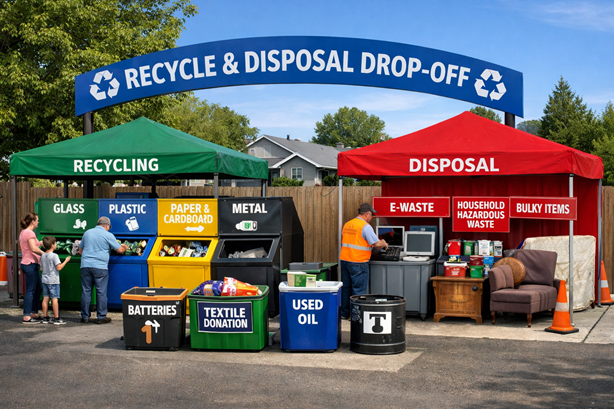
Finding reliable waste services near you shouldn’t feel like guesswork. Search local providers for curbside pickup, recycling, yard‑waste programs, and dumpster rental to match the size and frequency your household or project needs — most areas offer at least one established company plus municipal options. You’ll learn which services save time and money and what to expect from pickup schedules, accepted materials, and container sizes.
Use a few quick checks — service area, fees, recycling rules, and customer reviews — to narrow choices fast. The rest of the article breaks down the features to compare and how to pick the provider that fits your budget and sustainability priorities.
Key Features of Waste Services Near Me
In this article Waste Services Near Me You’ll find choices for curbside pickup, scheduled bulky-item collection, and certified disposal for commercial streams. Expect clear rules on sorting, pickup frequency, fees, and contact channels for missed or special pickups.
Local Waste Collection Options
Local pickup typically includes weekly garbage and biweekly or weekly recycling; some boroughs add compost or organics pickup on a separate schedule. Check your municipal calendar for exact days, accepted materials, and special holiday changes.
Many providers list accepted items online and use color-coded bins or carts. You should note container size limits, maximum bag weights, and rules for placing bins at the curb. Services often offer online accounts where you can view your schedule, request extra pickups, or report a missed collection.
Private companies may offer different pickup frequencies and subscription tiers than municipal services. Compare prices, service area maps, and customer reviews before switching. Look for companies that publish fleet updates or route notifications so you know when crews will arrive.
Residential Waste Removal
Residential services cover daily household waste, recycling, organics, and scheduled bulky-item or e-waste collection. Confirm which items require special handling—batteries, electronics, paint, and appliances often need dropoff at an ecocentre or separate pickup.
You should check container assignments for your address; many cities supply one bin per stream and charge for additional containers. Seasonally, expect extra yard waste collection or temporary allowances for leaf and branch pickup. Use municipal websites or provider portals to find drop-off locations and acceptable materials lists.
If you rent or own a multi-unit building, verify whether the building manager contracts collection or if you must arrange private service. For missed pickups or contaminated recycling, contact customer service immediately and keep a photo for disputes or billing adjustments.
Commercial Waste Disposal
Commercial services handle large volumes and multiple waste streams: mixed waste, cardboard, organics, and construction debris. You’ll choose container types—front-load bins, compactors, or roll-off dumpsters—based on volume and pickup frequency.
Contracts usually specify pickup cadence, contamination rules, and surcharge policies for excess weight or prohibited items. Request a written service agreement outlining rates, fuel or environmental fees, and termination terms. Many providers offer on-site audits to optimize bin sizes and reduce costs.
You should confirm recycling and hazardous-waste handling credentials for any vendor. Businesses generating regulated waste (e.g., industrial solvents, medical waste) need licensed carriers and documented manifests. Ask for recycling diversion reports and invoices that clearly separate service charges from disposal or landfill fees.
Choosing the Right Waste Service Provider
Focus on verified reliability, transparent pricing, and services that match your pickup frequency, container sizes, and recycling needs. Prioritize providers with clear contract terms, local service availability, and responsive customer support.
Evaluating Reputation and Reviews
Check recent customer reviews on multiple platforms — Google, Yelp, and the provider’s Facebook page — to confirm consistent pickup times and responsive issue resolution. Look for patterns: late or missed pickups, billing disputes, or positive notes about helpful drivers and clean equipment.
Verify credentials and local permits when possible. Municipal contracts, Better Business Bureau ratings, and industry memberships indicate accountability. Ask neighbors or your HOA which companies handle commercial or residential routes nearby; word-of-mouth often reveals real-world reliability.
Scan for environmental practices in reviews and company descriptions. If recycling or special-item pick up matters to you, confirm how strictly the provider enforces sorting rules and whether contamination leads to rejected loads.
Comparing Prices and Plans
List the services you need: weekly curbside trash, biweekly recycling, bulk-item pickup, or a roll-off dumpster. Request itemized quotes from at least three providers so you can compare base fees, per-pickup charges, fuel surcharges, and holiday or seasonal rate changes.
Use a table to compare core elements:
| Provider | Base Monthly Fee | Pickup Frequency | Container Sizes | Special Fees |
| Provider A | $ | Weekly | 35–95 gal | Bulky-item $XX |
| Provider B | $ | Biweekly | 65–96 gal | Overage per lb |
| Provider C | $ | Weekly + roll-off | 95 gal + roll-off | Permit/admin fees |
Confirm contract length and cancellation terms before signing. Short-term contracts or pay-as-you-go options add flexibility, while longer contracts may lower monthly rates but include early-termination penalties.
Ask about bundled discounts for combined trash and recycling, and verify whether recycling processing or landfill disposal fees are passed through to you.







Leave a Reply