

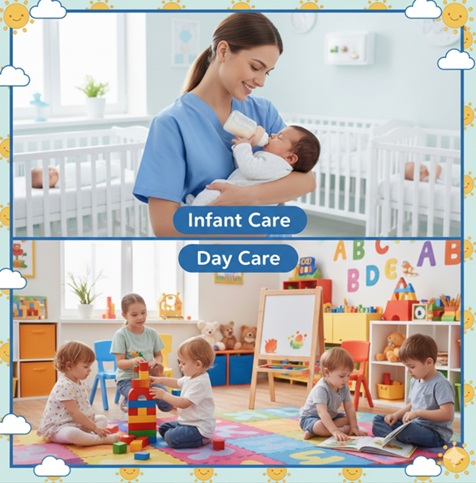
Finding the best preschool in Chennai starts with knowing what matters for your child’s growth: a safe, stimulating environment, qualified caregivers, and a curriculum that balances play and early learning. You’ll want a preschool in Chennai that combines strong teacher-child interaction, age-appropriate learning experiences, and transparent communication with parents — that mix reliably produces confident, curious starters.
This article guides you through the practical features that set top Chennai preschools apart and shows how to match those features to your family’s priorities. Expect clear criteria for evaluation, tips on touring schools, and what to ask about fees, safety, and daily routines so you can make an informed choice.
Key Features of the Best Preschool in Chennai
You should expect a preschool that balances play-based learning, trained teachers, strict safety and hygiene, and age-appropriate facilities tailored to early childhood development.
Curriculum and Teaching Methods
Look for a curriculum that blends play-based learning with structured early literacy and numeracy goals. Programs that use weekly thematic units, hands-on math manipulatives, phonics-based language activities, and sensory-rich science experiments help children meet specific milestones by age 3–5.
Check for documented learning outcomes, individualized learning plans, and regular progress reports for parents. Class schedules should include free play, guided group activities, circle time, outdoor play, and quiet reading or rest, each timed to match attention spans of toddlers and preschoolers.
Preferred preschools often integrate local language support (Tamil) alongside English exposure and introduce basic digital literacy through supervised, age-appropriate apps and devices.
Qualified Educators
You should expect lead teachers to hold early childhood education (ECE) certifications or diplomas, plus ongoing professional development. Assistants should be trained in first aid and child behavior management.
Look for low student-to-teacher ratios—ideally 1:8 or better for Nursery and 1:12 for Kindergarten—to ensure individualized attention. Teachers who document lesson plans, maintain assessment records, and conduct parent-teacher meetings demonstrate accountability.
Ask whether staff undergo background checks and receive training in inclusive practices, language development strategies, and positive discipline. Regular mentoring, peer observations, and external workshops signal a commitment to teaching quality.
Safety and Hygiene Standards
You must verify physical safety measures: childproofed classrooms, secure entry/exit with pick-up authorization, CCTV in common areas, and gated playgrounds with soft surfacing. Fire extinguishers, evacuation plans, and visible emergency contact lists are essential.
Hygiene protocols should include daily sanitation of toys and surfaces, routine handwashing schedules, and temperature/health checks at arrival. Kitchens must follow safe food-handling norms; check for separate allergy policies and cleanable eating areas.
Confirm staff certification in pediatric first aid and CPR, and ask for incident-reporting procedures and sample medical consent forms. Transparent communication about illness policies helps you decide when to keep a child home.
Learning Environment and Facilities
Prioritize child-sized furniture, well-lit classrooms, and clearly defined learning centers for art, block play, reading, and role-play. Outdoor space should include shaded play areas, climbing structures with age-appropriate safety ratings, and space for gross-motor activities.
Resource availability matters: a variety of books, open-ended toys, manipulatives, musical instruments, and basic science tools support diverse learning styles. Check for well-maintained washrooms, nap/rest areas with hygienic bedding practices, and quiet corners for sensory breaks.
Evaluate transport options, parking for drop-off, and proximity to your home or workplace. Photographs, a facility tour, and a trial day help you assess whether the environment matches your child’s needs.
Choosing the Right Preschool in Chennai
Focus on practical factors that affect your daily routine, safety, and long-term value: commute time, real parent feedback, transparent fee breakdowns, and a clear admissions timeline.
Location and Accessibility
You should prioritize commute time and traffic patterns specific to Chennai neighborhoods like Adyar, OMR, and Anna Nagar. Visit at your child’s drop-off and pick-up times to observe peak-hour congestion and parking availability; a 10–20 minute travel window is ideal for most families.
Check proximity to emergency services and pediatric clinics. Confirm whether the school offers safe pedestrian access, secure entry gates, and dedicated pickup zones. Ask about transport: verify routes, vehicle maintenance records, driver background checks, and teacher-to-vehicle ratios if the school provides buses.
Consider local weather impacts—schools with shaded waiting areas and indoor play options protect your child during Chennai’s heat and monsoon months. Finally, weigh convenience against program quality; a slightly longer commute may be acceptable for substantially better staff qualifications or child-centered curriculum.
Parent Reviews and Testimonials
Seek recent reviews from parents in your neighborhood groups and dedicated preschool listing sites. Focus on recurring themes: teacher stability, responsiveness to concerns, actual classroom noise vs. learning engagement, and how the school handled past incidents.
Request references from the school and speak to parents of children in the same age group. Ask specific questions: How often do teachers update you? Are developmental milestones tracked and shared? Did the school follow through on promised extracurriculars or special events?
Look for verifiable details in testimonials—photos of classroom activities, sample progress reports, or WhatsApp group examples. Discount one-off extremes; prioritize consistent, specific feedback that matches what you observe during visits.
Fee Structure and Admissions Process
Request the full fee schedule in writing, covering tuition, enrollment fees, security deposits, annual levies, activity charges, food, and transport. Confirm payment frequency (monthly/quarterly/annually) and any penalties for late payment or mid-term withdrawal.
Ask for a clear admissions timeline: application opening date, document checklist (birth certificate, immunization records, parent ID), assessment or play session dates, and waitlist policy. Clarify refund rules and whether seat confirmation requires a paid deposit.
Compare value, not just sticker price. Evaluate teacher qualifications, pupil–teacher ratios, classroom resources, and included extras (meals, materials, events). If possible, negotiate or request a written concession for siblings or early payments.










Leave a Reply