

You want an agency that drives measurable growth, aligns with your goals, and adapts as platforms and audiences shift. The top digital marketing agency for you combines proven results (SEO, paid ads, social), strategic thinking, and transparent reporting so you can scale efficiently and confidently.
This article breaks down what separates elite agencies from the rest, the core services that move the needle, and the practical criteria to evaluate partners against your budget and objectives. Expect clear guidance to shortlist agencies, compare capabilities, and choose the one that will deliver sustained ROI for your business.
What Makes a Top Digital Marketing Agency
A top agency delivers measurable growth, clear ownership, and repeatable processes. It combines channel expertise, data-driven decision-making, and the right technology to turn traffic into reliable revenue.
Key Qualities of Leading Agencies
You should expect agencies to show documented ROI and case studies tied to specific KPIs like CAC, LTV, and conversion rate improvements. Ask for client retention rates, average contract length, and examples where strategy shifted after A/B or cohort testing.
Look for structured ownership: named strategist, campaign manager, and analyst for each account. Clear SLAs for reporting cadence, deliverable timelines, and escalation paths prevent scope drift. Ethical practices matter too—compliant data handling, transparent bidding, and declared creative ownership protect your brand.
Core Digital Marketing Services Offered
Top agencies combine these services into coordinated programs rather than siloed tasks:
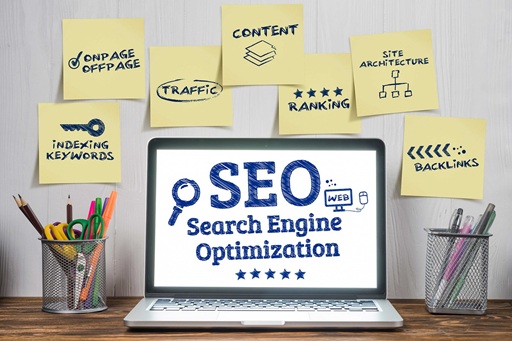
- SEO: technical audits, on-page optimization, content mapping, and backlink strategy tied to organic traffic goals.
- Paid Media: search, display, social, and programmatic campaigns with granular targeting and ROAS reporting.
- Content & Creative: buyer-journey content, landing pages, video, and CRO experiments aligned to conversion intents.
- Email & Automation: segmented flows, lead scoring, and lifecycle campaigns that reduce churn and increase CLTV.
- Analytics & CRO: funnel analysis, heatmaps, multivariate tests, and dashboarding that connect marketing activity to revenue.
You should confirm the agency builds integrated strategies where paid, organic, and email reinforce the same conversion paths and metrics.
Technology and Tools Used
A high-performing agency standardizes on analytics and execution platforms so your data stays consistent. Expect tools like GA4 or server-side analytics, a tag manager, BI/dashboarding (Looker/Power BI/Data Studio), and experimentation platforms (Optimizely, VWO, or Google Optimize alternatives).
For paid media and creative production, look for access to demand-side platforms, social ad managers, and creative suites with versioning. Martech stack should include CRM integration (Salesforce, HubSpot), attribution solutions (multi-touch or MMM), and CDPs when personalization at scale matters.
Ask for a list of primary tools, how they handle data ownership, and a sample dashboard you’d receive so you know exactly what insights you’ll get and when.
How to Choose the Best Agency for Your Business
Focus on measurable track record, transparent pricing, and a communication rhythm that matches your decision-making. Prioritize agencies that show specific results for businesses like yours and explain exactly how they’ll report progress and allocate budget.
Evaluating Agency Experience and Results
Look for case studies that match your industry, target audience, and revenue goals. Ask for specific KPIs—organic traffic numbers, CAC changes, conversion lifts—and the exact tactics used.
Request client references and speak to marketing leaders at those companies. Ask about onboarding speed, campaign longevity, and how the agency handled setbacks.
Check team composition tied to your needs: SEO specialists, paid media managers, content strategists, and analytics experts. Verify senior involvement on your account and whether the agency outsources critical work.
Use a short vetting checklist: 1) relevant case studies, 2) named team members, 3) clear KPI examples, 4) reference calls, 5) demonstrated toolset (e.g., GA4, Looker, SEMrush). That gives you objective signals instead of marketing fluff.
Understanding Pricing Models
Compare common pricing structures: hourly/retainer, project-based, performance-based, and hybrid. Choose the model that aligns incentives with your goals—for example, performance fees can reduce upfront risk but may favor short-term wins.
Ask for a detailed scope of work and a cost breakdown by activity. Insist on clarity about deliverables, reporting frequency, and extra fees (ad spend, creative production, data integrations).
Negotiate a pilot phase or milestone payments for large engagements. A 3-month paid pilot with defined KPIs lets you test capabilities before committing to a long retainer.
Use a simple table to compare:
- Retainer: steady cost, good for ongoing strategy and execution.
- Project: fixed scope, good for migrations or one-off campaigns.
- Performance: aligned goals, variable cost.
- Hybrid: mixes predictability and incentive.
Collaboration and Communication
Set expectations for meeting cadence, primary contacts, and escalation paths before signing. Weekly tactical calls plus a monthly strategic review works for most teams, but adapt to your internal decision speed.
Define reporting templates and frequency. Ask for dashboards with raw data access and one-page executive summaries that highlight actions and next steps.
Clarify approval workflows for creative, paid budgets, and technical changes. Shorten turnaround times by naming reviewers and setting SLAs (e.g., 48-hour creative review).
Confirm cultural fit: responsiveness, willingness to explain trade-offs, and a problem-solving mindset. Those qualities determine whether the partnership scales when campaigns grow.










Leave a Reply