

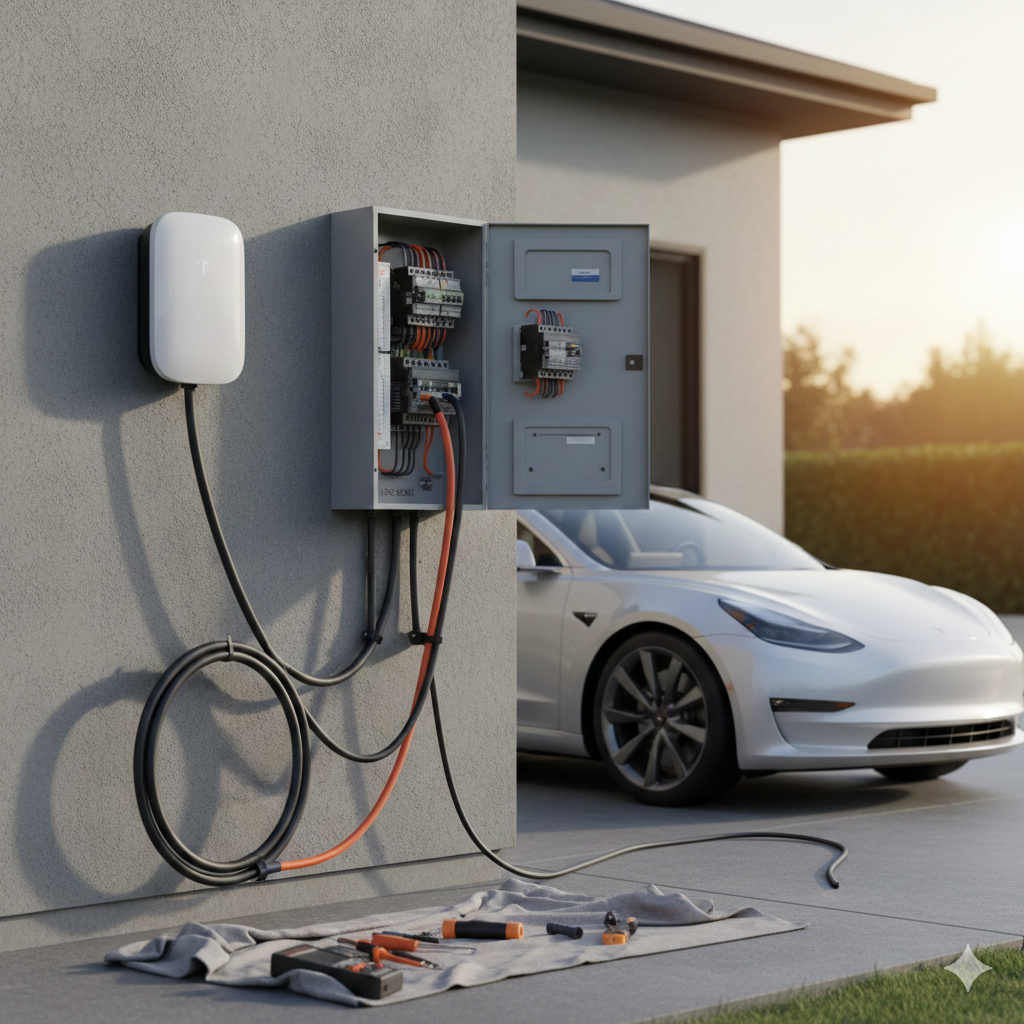
If your home feels short on power, flickers lights, or still uses a fuse box, you likely need an electrical panel upgrade to handle modern demands and keep your household safe. Upgrading your panel boosts capacity, reduces overload risks, and makes adding appliances or home improvements straightforward.
In this post Electrical Panel Upgrade Near Me You’ll learn how to spot the signs, what options contractors near you typically offer (100–400 amp service, replacements, code-compliant installations), and what to expect when scheduling work with a licensed electrician. This guide walks you through practical choices so you can choose the right upgrade for your budget and future needs.
Understanding Electrical Panel Upgrades
An electrical panel upgrade replaces or expands the main breaker box and its circuit capacity to match your home’s current and planned power demands. You’ll consider capacity (amps), circuit availability, safety features, and code compliance when deciding whether to upgrade.
What Is an Electrical Panel Upgrade
An electrical panel upgrade means replacing your existing breaker box with a unit that has higher amperage or more circuits. Typical upgrades move from 60–100 amps to 200 amps, or they replace a deteriorating panel type (e.g., fuse boxes, Federal Pacific, Zinsco) with modern breakers and a main disconnect.
Technicians evaluate service size, bus bar condition, grounding and bonding, and available breaker spaces. The work may include installing a new meter base, upgrading the service entrance cable, and adding a subpanel if you need more circuits without changing service amperage.
You should expect permits and an inspection in most jurisdictions. Licensed electricians follow local electrical code requirements and often recommend surge protection and AFCI/GFCI breakers during an upgrade for added safety.
Benefits of Upgrading Your Electrical Panel
Upgrading increases available power capacity and lets you run modern appliances—electric ranges, heat pumps, EV chargers—without frequent tripped breakers. It also provides more circuit slots so you can separate heavy loads onto dedicated circuits.
Safety improves because new panels reduce fire risk from overheated wiring and worn breakers. Newer panels support AFCI and GFCI protection, improving shock and arc-fault protection in bedrooms, kitchens, and bathrooms.
An upgraded panel can raise your home’s resale value and simplify future electrical work. Insurers and inspectors may require modern panels for continued coverage or passing a home inspection, especially if you plan remodeling or adding high-draw devices.
Signs You Need an Electrical Panel Upgrade
Frequent tripping of breakers under normal use indicates your panel can’t handle current loads. Flickering lights, outlets that don’t work, or buzzing sounds from the panel also point to overloaded or failing components.
If your home still uses a fuse box, 60–100 amp service, or an obsolete panel brand, plan an upgrade before adding major appliances or an EV charger. Warm or discolored outlets, burning smells, or sparking when plugging devices in are urgent signs—stop use and call a licensed electrician immediately.
You may also need an upgrade when renovating, adding living space, or installing high-demand equipment like central air or electric vehicle charging. A professional load calculation will confirm whether service size or simply additional circuits are required.
Choosing the Best Electrical Panel Upgrade Near Me
You need a reliable upgrade that matches your home’s load, fits your budget, and meets local code. Focus on licensed local electricians, clear written quotes, and the right permits and inspections.
Selecting Local Licensed Electricians
Check that the electrician holds a current state or provincial license and a business liability insurance policy that lists your address. Ask for their license number and verify it on the government lookup site or utility regulatory board.
Request references for recent panel upgrades in homes like yours — similar square footage and appliance load. Ask how they size the new panel (amps), whether they recommend 200A or 400A, and which brands of panels and breakers they install.
Confirm they carry workers’ compensation and that they will pull permits. Get a written timeline, start date, and electrical testing procedures (e.g., meter removal, temporary power needs). Prefer electricians who provide a written warranty for labor and a manufacturer warranty for the panel.
How to Compare Upgrade Quotes
Ask for itemized quotes that list: panel model and rating, number of circuits, labor hours, materials (wiring, breakers, meter socket work), permit fees, and disposal. Compare not just price but inclusions — some low bids omit grounding upgrades, surge protection, or required re-wiring.
Request a clear payment schedule: deposit, progress payments, and final payment after inspection. Ask how they handle unexpected findings (e.g., bad main conductor, knob-and-tube wiring) and whether they provide a change-order rate.
Use a simple comparison table to evaluate bids:
- Price (total)
- Panel ampacity & model
- Included breakers/circuits
- Permit & inspection included
- Warranty (labor & parts)
- Estimated timeline
Choose the quote that balances complete scope, transparent pricing, and known warranty terms rather than the lowest single number.
Permits and Inspection Requirements
Confirm who obtains the electrical permit — you or the contractor — and ensure the permit name matches the licensed electrician or company. Permit fees vary by municipality; ask for the estimated amount and include it in the written quote.
Inspections usually occur at rough-in and final stages. Expect the inspector to verify panel location, grounding electrode conductor, neutral/bar bonding, and clearances around the panel. Schedule final inspection before making final payment.
Keep copies of the permit, inspection reports, and final approval. These documents matter for insurance, resale, and warranty claims, and they prove the work met local code.










Leave a Reply